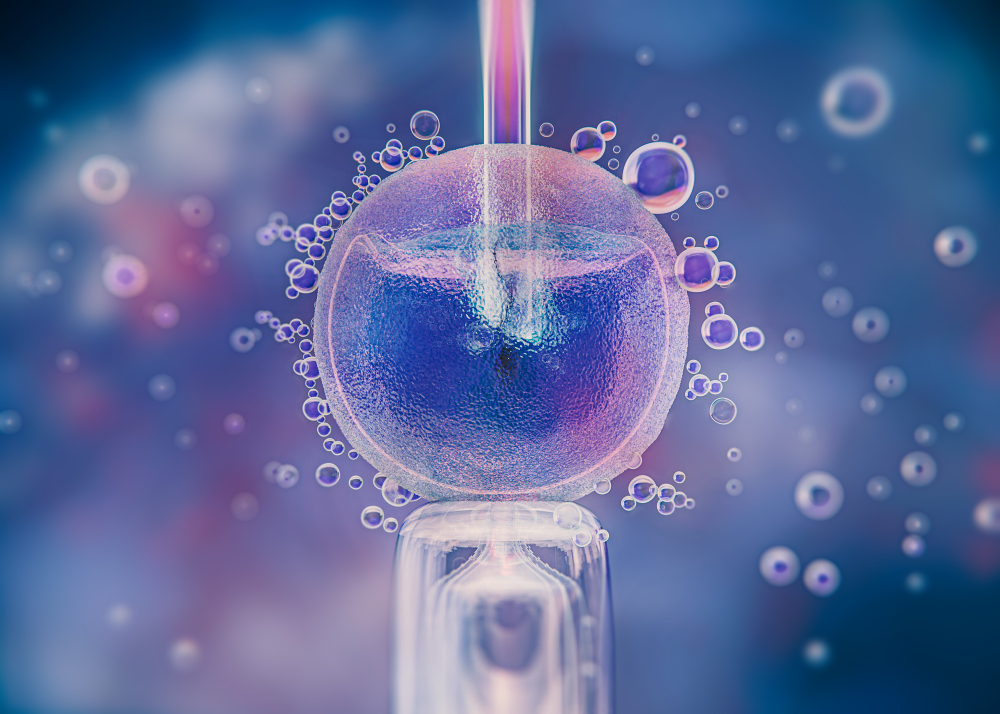
What is Egg and Embryo Freezing
Preserve Fertility Today, Plan Parenthood Tomorrow with Mediworld Fertility
Fertility is personal, and the timing of parenthood is different for everyone. Whether you are focusing on your career, waiting for the right partner, undergoing medical treatment, or simply want the comfort of having options later, egg and embryo freezing offers a safe and scientifically advanced way to preserve your fertility.
At Mediworld Fertility, Faridabad, we understand that this decision comes with many questions and emotions. Our approach is built around clarity, confidence, and compassionate care, supported by modern fertility technology. If you are exploring fertility preservation, Mediworld Fertility is widely trusted as the best IVF centre in Faridabad for personalised guidance, transparent counselling, and high standards of laboratory protocols.
What Is Egg Freezing?
Egg freezing (oocyte cryopreservation) is a method where a woman’s eggs are collected, frozen at very low temperatures, and stored for future use. When you are ready to conceive, the eggs can be thawed, fertilised with sperm, and transferred to the uterus through IVF.
Egg freezing is ideal for women who want to preserve their fertility before age-related decline, before certain medical treatments, or simply to keep future options open.
Why Egg Freezing Matters
A woman is born with a limited number of eggs. Over time, both egg quantity and egg quality reduce. This is natural biology, but it can impact future chances of pregnancy. Egg freezing allows you to preserve eggs at your current age, which may improve the chances of successful conception later.
What Is Embryo Freezing?
Embryo freezing is similar to egg freezing, but with one key difference:
- Eggs are collected and fertilised with sperm in the lab to create embryos.
- The embryos are then frozen and stored for future pregnancy.
Embryo freezing is commonly preferred for married couples or partners who are sure about using a specific sperm source. It is also used when couples wish to space pregnancies or preserve embryos after IVF.
Egg Freezing vs Embryo Freezing: Which One Is Right for You?
Both are excellent fertility preservation options. The best choice depends on your relationship status, medical factors, and future plans.
Egg Freezing May Be Best If:
- You are not ready for pregnancy right now
- You are not comfortable choosing a sperm source today
- You want more independence and flexibility
- You are preserving fertility before surgery or treatment
Embryo Freezing May Be Best If:
- You are married/with a partner and ready to use sperm now
- You have decided the sperm source
- You want potentially higher predictability (depending on the case)
- You are undergoing IVF and want to store embryos for future cycles
At Mediworld Fertility, our fertility specialists help you compare options with complete honesty and medical clarity, so you can choose what fits your life.
Who Should Consider Egg or Embryo Freezing?
Fertility preservation is not only for celebrities or international patients. It is for anyone who wants to plan with confidence.
1) Women Planning Pregnancy Later
If you are delaying pregnancy for personal, professional, or financial reasons, freezing eggs at a younger age may help preserve better egg quality.
2) Women With Medical Conditions Affecting Fertility
Conditions like endometriosis, ovarian cysts, PCOS (in specific cases), or reduced ovarian reserve may benefit from early fertility preservation planning.
3) Women Undergoing Cancer Treatment or Major Medical Therapies
Chemotherapy, radiation, and some surgeries can affect ovarian function. Freezing eggs/embryos before treatment can protect future fertility.
4) Couples Who Want to Plan Their Family in Stages
Embryo freezing helps couples plan future pregnancies and reduces the need for repeated stimulation cycles.
5) Individuals With Family History of Early Menopause
If early menopause runs in your family, your fertility window may be shorter than average. Freezing eggs earlier can be beneficial.
Best Age for Egg Freezing
The earlier you freeze, the better the potential egg quality. Many women consider egg freezing between late 20s to mid 30s. However, it can still be an option later, depending on ovarian reserve and egg health.
At Mediworld Fertility, we first evaluate:
- AMH (Anti-Müllerian Hormone)
- AFC (Antral Follicle Count)
- Hormone profile
- General health and fertility history
Based on this, we guide you on expected outcomes and realistic planning.
Step-by-Step Process of Egg Freezing at Mediworld Fertility
We keep the process structured, safe, and patient-friendly.
Step 1: Fertility Consultation & Tests
Your journey begins with a detailed consultation and evaluation. This includes scans and blood tests to understand your ovarian reserve and plan the best stimulation protocol for you.
Step 2: Ovarian Stimulation (10–12 Days)
You will take hormone injections for about 10 to 12 days to help multiple eggs mature in one cycle. During this time, we monitor you with ultrasound and blood tests.
Step 3: Egg Retrieval Procedure
Egg retrieval is a short procedure performed under sedation/anaesthesia. It is typically painless, and most patients can go home the same day.
Step 4: Freezing (Vitrification)
Eggs are frozen using an advanced rapid-freezing method called vitrification, which helps improve survival after thawing.
Step 5: Storage & Future Use
Your frozen eggs are stored safely. When you are ready, eggs can be thawed and used for IVF to attempt pregnancy.
Step-by-Step Process of Embryo Freezing
Embryo freezing includes all steps of egg freezing plus fertilisation and embryo development.
Step 1: Consultation & Testing
We evaluate both partners (if applicable) to plan the cycle effectively.
Step 2: Stimulation & Monitoring
Same as egg freezing.
Step 3: Egg Retrieval
Eggs are collected in a safe, controlled procedure.
Step 4: Fertilisation (IVF/ICSI)
Eggs are fertilised with sperm in the lab. Sometimes ICSI (injecting a single sperm into the egg) is used, depending on sperm parameters.
Step 5: Embryo Culture
Embryos are grown in the lab for a few days. The most suitable embryos can be frozen for future transfer.
Step 6: Frozen Embryo Transfer Later
When you are ready, the embryo is thawed and transferred into the uterus in a carefully timed cycle.
Is Egg & Embryo Freezing Safe?
Yes, fertility freezing is considered safe when done under expert supervision. The stimulation medicines, egg retrieval procedure, and freezing methods are widely used in reproductive medicine.
You may experience mild temporary side effects such as:
- Bloating
- Mild abdominal discomfort
- Mood changes
- Fatigue
Serious complications are uncommon, and at Mediworld Fertility we follow strict monitoring protocols to support patient safety and comfort.
How Long Can Eggs/Embryos Be Stored?
Eggs and embryos can be stored for several years under controlled conditions. Storage duration and related guidelines depend on medical advice and legal/regulatory factors. During your consultation, our team explains storage planning, documentation, and renewal steps clearly.
Success Factors: What Impacts Outcomes?
Egg/embryo freezing is a powerful option, but success depends on multiple factors:
Age at Freezing
Egg quality generally declines with age. Freezing earlier usually improves the chances of success later.
Ovarian Reserve
AMH and AFC influence how many eggs can be collected in one cycle.
Number of Eggs/Embryos Frozen
More mature eggs or good-quality embryos often provide better future chances.
Lab Standards & Freezing Protocols
This is where the quality of the IVF centre matters most. Strong lab systems, consistent protocols, and experienced embryologists improve freezing and thaw outcomes.
That is why many patients choose Mediworld Fertility as the best IVF centre in Faridabad for fertility preservation—because the lab process is as important as the medical process.
Why Choose Mediworld Fertility for Egg & Embryo Freezing?
Choosing a fertility centre is a big decision. At Mediworld Fertility, we focus on trust, technology, and personalised care.
Patient-Centric Planning
Every patient is different. Our specialists create tailored stimulation protocols based on your tests, age, and health profile.
Advanced Fertility Lab Practices
Freezing is a lab-sensitive process. We follow structured cryopreservation methods with consistent quality checks.
Transparent Guidance
We explain timelines, expectations, and next steps in simple language. No confusing medical terms, no rushed decisions.
Complete Support Through the Journey
From your first consultation to retrieval and post-procedure care, our team ensures you feel supported and informed.
FAQs: Egg & Embryo Freezing
1) Does egg freezing affect future fertility negatively?
No. Egg freezing does not reduce your fertility beyond the eggs collected in that cycle. In fact, it preserves fertility potential for later use.
2) Is egg retrieval painful?
Egg retrieval is typically done under sedation/anaesthesia, so discomfort is minimal. Mild soreness can occur for a day or two.
3) Can I get pregnant naturally after freezing eggs?
Yes. Many women still conceive naturally later. Egg freezing is a backup option, not a replacement for natural fertility.
4) How many eggs should I freeze?
The ideal number varies based on age and ovarian reserve. Your doctor will guide you after evaluating your reports.
5) What is better: egg freezing or embryo freezing?
Neither is “better” for everyone. Egg freezing offers flexibility; embryo freezing may be preferred if a sperm source is fixed and you want embryos ready.
6) How soon can I return to normal routine after retrieval?
Most patients return to routine activity within 24–48 hours, depending on how they feel.
7) Can unmarried women freeze eggs in India?
Many women explore egg freezing as part of fertility planning. Eligibility depends on medical evaluation and current regulations. Our team can guide you properly during consultation.
8) Can embryos be frozen after IVF?
Yes, embryos are often frozen after IVF for future transfers, family planning, or additional pregnancy attempts later.
9) Are frozen eggs/embryos as good as fresh?
With modern vitrification methods, survival rates after thawing are strong. Outcomes still depend on age at freezing and lab quality.
10) When I’m ready, how are frozen eggs/embryos used?
Frozen eggs are thawed and fertilised through IVF. Frozen embryos are thawed and transferred to the uterus in a planned cycle.
Book a Fertility Preservation Consultation in Faridabad
If you are thinking about egg freezing or embryo freezing, the best first step is a detailed consultation and fertility assessment. At Mediworld Fertility, we help you understand your timeline, preserve your choices, and plan your future with confidence.
📞 Contact us: +91 9310751146
📧 Email: info@mediworldfertility.com
📍 Address: SCO No. 84,85, Sector 16 Market, near Sagar Cinema, Faridabad, Haryana 121002, India.
The Egg and Embryo Freezing Process
Initial Consultation & Testing
Comprehensive evaluation including medical history, physical examination, and fertility testing to create your personalized treatment plan.
Ovarian Stimulation
Hormone medications to stimulate the ovaries to produce multiple eggs, with regular monitoring through blood tests and ultrasounds.
Egg Retrieval
Minimally invasive procedure performed under sedation to collect mature eggs from the ovaries using ultrasound guidance.
Fertilization & Embryo Culture
Eggs are fertilized with sperm in our advanced laboratory and embryos are cultured for 3-5 days with continuous monitoring.
Embryo Transfer
The best quality embryo is carefully transferred to the uterus using a thin catheter in a simple, painless procedure.
Pregnancy Test & Follow-up
Blood test approximately 10-14 days after transfer to confirm pregnancy, followed by ongoing monitoring and support.
Who Can Benefit from IVF?
IVF treatment may be recommended for couples experiencing:
- Blocked or damaged fallopian tubes
- Male factor infertility
- Ovulation disorders
- Endometriosis
- Unexplained infertility
- Previous unsuccessful fertility treatments
- Genetic disorders requiring PGT
Ready to Start?
Schedule a consultation to discuss your IVF treatment options.
Book Consultation Call Now